1. Listen first
The team asks what the resident wants to keep and what worries them most. Nothing starts until those answers are heard.
West Sand Lake, NY · Rensselaer County
A landlord deadline, a hospital discharge or a family visit is often what prompts the call. In West Sand Lake, (877) 812-4220 is the number to ask about sorting, hauling, cleaning and odor removal without judgment.
If anyone is in danger, call 911 first. For a suicide crisis, call or text 988.
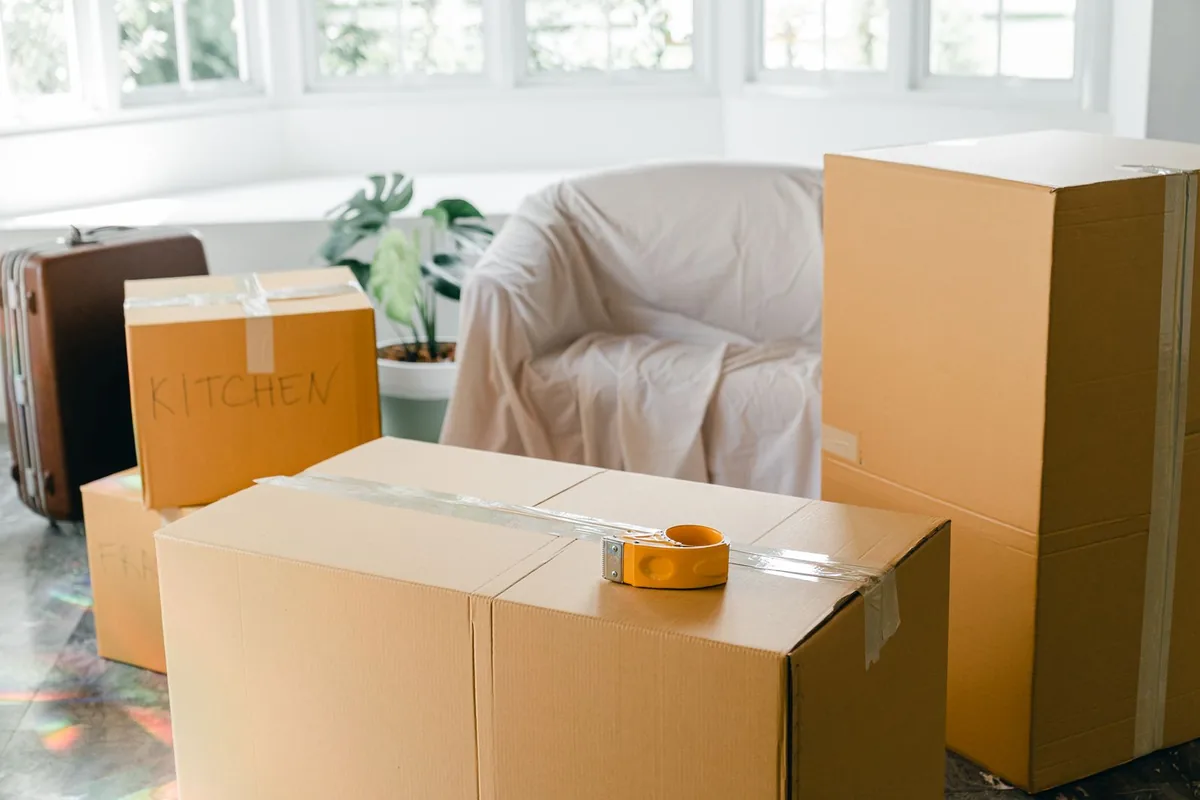
Think of hoarder cleanup services as a mix of organizing, hauling and deep cleaning. The aim is a home with open exits, a working kitchen and bathroom, and surfaces that can be cleaned.
In West Sand Lake, you can get a cleanup that sorts, hauls and cleans without judgment. Families in Rensselaer County call about parents, siblings and their own homes, and the resident keeps a say over every item. Call West Sand Lake Biohazard Cleanup Help.
Only about 58% of homes in West Sand Lake predate 1980, yet newer houses can still hold crowded rooms, blocked exits and pest problems. Most homes in Rensselaer County are owner-occupied, with about 35% rented. Owners and their families usually decide the pace and what stays.
Hoarding Cleanup in West Sand Lake usually includes:
The team asks what the resident wants to keep and what worries them most. Nothing starts until those answers are heard.
A team member checks exits, stairs, utilities, pests and hazards. Findings are shared in plain words, without labels.
Exits, a path to the bathroom and the kitchen are cleared first. These changes lower fire and fall risks right away.
Floors, counters, sinks and bathrooms are cleaned and disinfected. Odor is treated at the source where possible.
Hoarding cleanup in West Sand Lake, NY typically costs $500 to $25,000, depending on the size of the affected area and the materials involved.
Repairs after cleanup, such as flooring, drywall or pest control, are normally priced separately from the cleaning itself. The team can say what it expects to find.
| Type of job | Typical range |
|---|---|
| Level 2 | $1,000 - $3,000 |
| Most homes, per square foot | $1 - $2 per square foot |
| Level 5, severe | $10,000 - $25,000+ |
| Level 1, light | $500 - $1,500 |
Estimates only, not a quote. Sources: Dropcurb, Lifecycle Transitions. Price drivers include level of accumulation, home size, whether exits and rooms are blocked, pests or animal waste. Call (877) 812-4220 to talk through the job.
Hoarding disorder is a recognized mental health condition. Whether it counts as a disability for housing or work depends on the situation and the law. A tenant rights group, a housing agency or an attorney can answer for a specific case.
Avoid calling their belongings trash, saying the home is disgusting or telling them to just throw things out. Never move items without asking. Ask what matters most to them, listen, and offer to help at their pace.
A lightly crowded room with a willing resident can be a do-it-yourself project with gloves, a mask and a helper. Beyond that, hidden hazards, heavy items and the emotional strain make a team the safer choice.
Yes. The resident decides what stays, what is donated and what is removed. Valuables, documents, photos and medicine are set aside first, and nothing leaves the home without agreement.
A lightly crowded room may take a day, while a whole home with heavy buildup can take several days to a few weeks. The resident's pace, pests, mold and repairs all change the timeline. The team can estimate after seeing the home.
A crew with enough people and a clear plan, working room by room. Going fast without the resident's agreement often backfires, though, and the home can fill again. Clearing exits and hazards first is the quickest way to make a real safety difference.
Residents, relatives and landlords are all welcome to call.
Call (877) 812-4220